The Credentialing Bottleneck: Why Your Healthcare Staffing Agency Is Bleeding Time and Talent
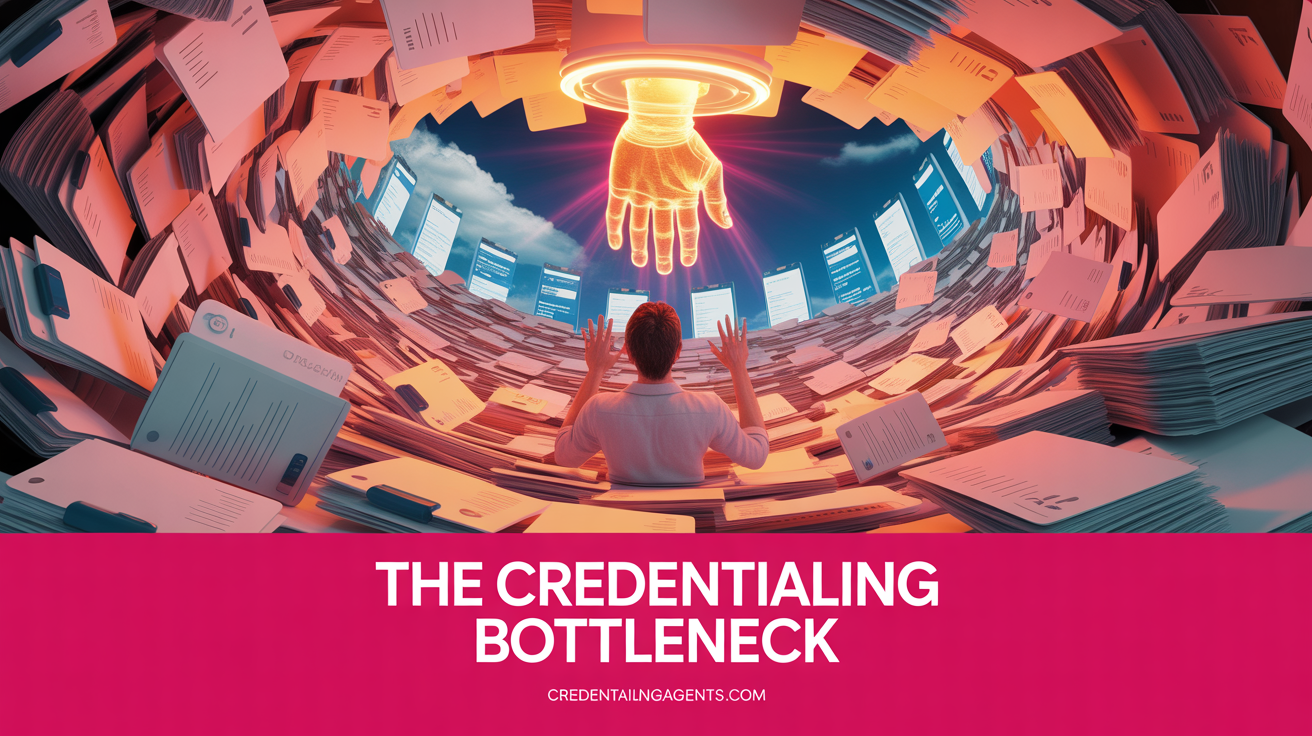
Every healthcare staffing agency knows the pain. A qualified nurse applies on Monday. By the time their credentials are verified, three weeks have passed—and they've already accepted a position elsewhere.
The credentialing bottleneck isn't just an operational headache. It's actively costing you placements, revenue, and reputation.
The Hidden Math of Manual Credentialing
Let's break down what's really happening behind the scenes:
- Primary source verification for a single nurse takes 4-8 hours of staff time
- License verification across multiple states multiplies that by 3-5x
- Document chasing (expired certifications, missing immunization records) adds another 2-4 hours per candidate
- Compliance monitoring for placed clinicians requires ongoing manual audits
For an agency placing 100 nurses per month, that's roughly 800-1,200 hours of credentialing labor. At $25/hour fully loaded, you're looking at $20,000-$30,000 monthly just to keep your compliance engine running.
And that's before you count the placements you're losing to faster competitors.
The Velocity Problem
In healthcare staffing, speed isn't a nice-to-have—it's survival. Travel nursing contracts often need to be filled within 48-72 hours. Crisis staffing? Same day.
When your credentialing process takes 2-3 weeks, you're not competing. You're watching from the sidelines.
The fastest agency wins. Full stop.
Why Traditional Credentialing Software Falls Short
Most credentialing platforms digitize the paperwork without solving the actual problem. They give you:
- ✅ Document storage (great, a digital filing cabinet)
- ✅ Expiration alerts (helpful, but reactive)
- ✅ Basic workflow automation (if/then rules that still require human intervention)
What they don't give you:
- ❌ Intelligent document extraction that actually reads and validates credentials
- ❌ Automated primary source verification without manual phone calls
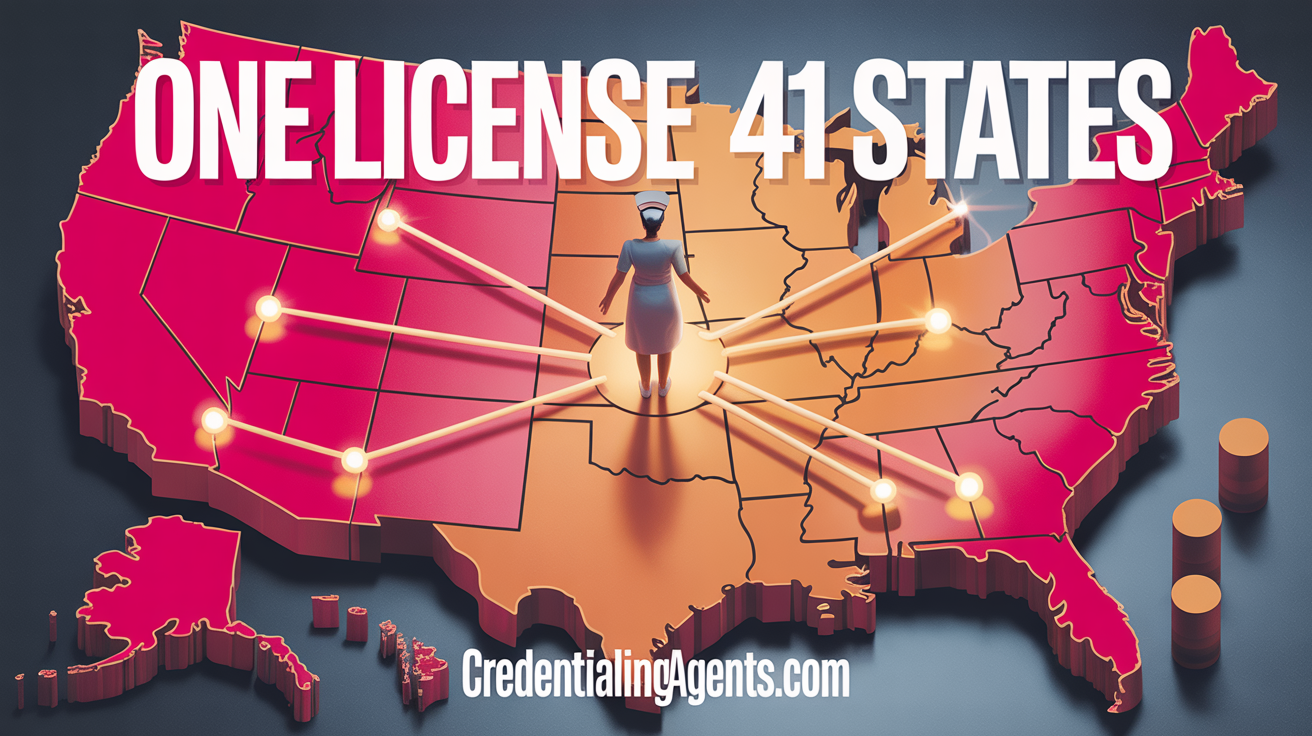
- ❌ Real-time license monitoring across all 50 states
- ❌ Proactive gap identification before it becomes a compliance issue
Enter AI-Powered Credentialing
The next generation of credentialing doesn't just organize your process—it executes it.
Imagine a system that:
- Automatically extracts credential information from uploaded documents using computer vision
- Verifies licenses in real-time against state nursing board databases
- Identifies gaps proactively and initiates outreach to candidates before deadlines hit
- Monitors continuously so you're never surprised by an expiring certification
- Learns and improves with every credential it processes
This isn't science fiction. This is what AI agents are doing right now for forward-thinking staffing agencies.
The Competitive Advantage of Speed
Agencies using AI-powered credentialing are seeing:
- 70-80% reduction in time-to-credential
- 90%+ accuracy in document processing
- 50% fewer compliance incidents
- 3x faster placement velocity
When you can credential a nurse in hours instead of weeks, you don't just win more placements—you attract better talent. Clinicians talk. They know which agencies move fast and which ones leave them in limbo.
The Bottom Line
The credentialing bottleneck is a choice. You can continue throwing bodies at a broken process, watching margins shrink and placements slip away. Or you can embrace the technology that's already transforming the industry.
The agencies that figure this out first will dominate the next decade of healthcare staffing. The ones that don't? They'll wonder why their best recruiters and best candidates keep leaving for the competition.
Ready to eliminate your credentialing bottleneck? Credentialing Agents uses AI to automate primary source verification, license monitoring, and compliance tracking—so you can focus on what matters: placing great clinicians in great positions.