Credentialing in Hours, Not Months: How AI is Eliminating Healthcare's Longest Bottleneck
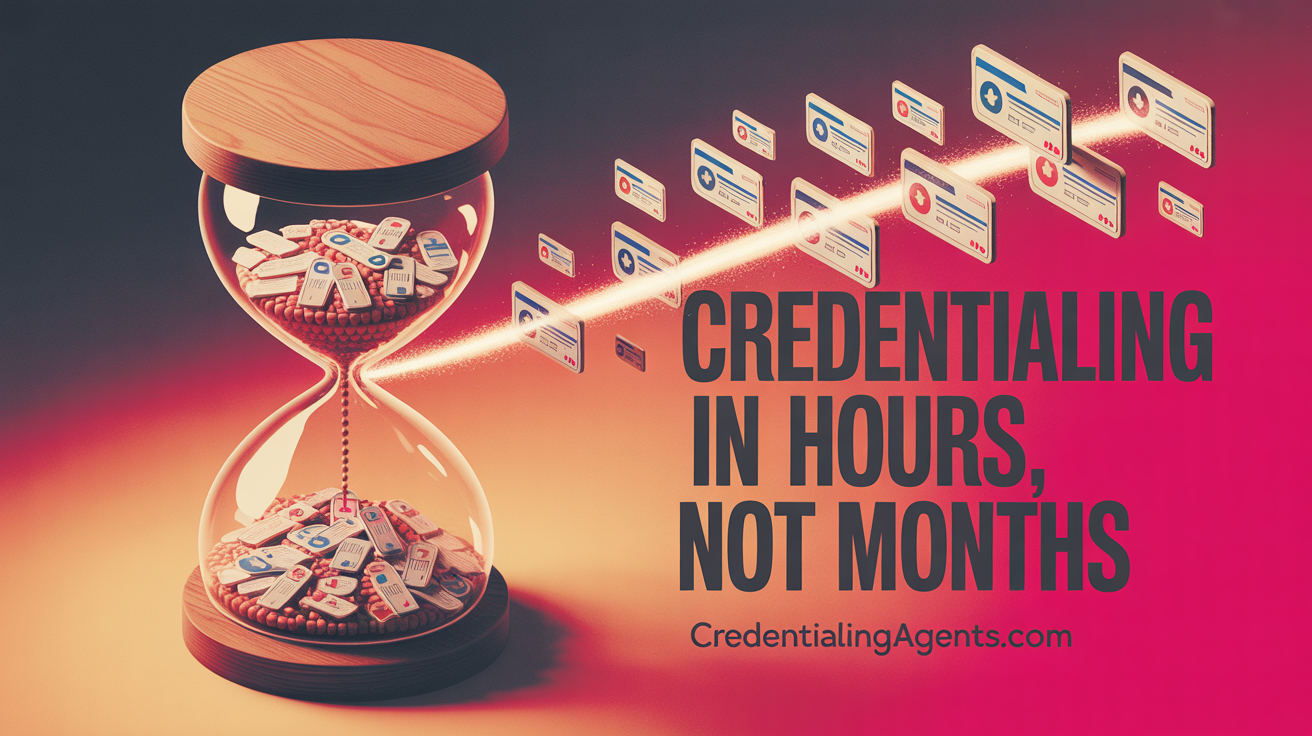
The average healthcare credentialing process takes 90 to 120 days. That's three to four months of a qualified nurse, physician, or allied health professional sitting on the sidelines—unable to work, unable to earn, unable to help patients who need them.
For staffing agencies, this isn't just an inconvenience. It's a business killer.
Every day of delay costs money. Candidates drop out. Contracts get canceled. Competitors with faster turnaround times steal your placements. And your credentialing team? They're drowning in spreadsheets, phone calls, and endless follow-ups.
The Hidden Cost of Manual Credentialing
Let's do the math. If your agency places travel nurses at an average bill rate of $85/hour, a single 40-hour/week placement generates roughly $3,400 per week in revenue. Over a 90-day credentialing delay, that's:
- $44,200 in lost revenue per candidate
- Multiply that by 50 candidates in your pipeline
- $2.2 million sitting idle while paperwork moves at the speed of fax machines
And that's before we count the cost of your credentialing staff's time, the compliance risks of manual tracking, and the candidates who simply gave up and went elsewhere.
Why Traditional Credentialing Takes So Long
The credentialing process involves collecting and verifying dozens of documents:
- State licenses and certifications
- DEA registrations
- Board certifications
- Education verification
- Employment history (going back 5-10 years)
- Malpractice history
- Background checks
- Reference checks
- Skills checklists
- Health records and immunizations
Each document requires outreach to different institutions, each with their own response times. Primary source verification can take weeks. A single missing document restarts the clock.
Traditionally, this has been managed through:
- Manual data entry into spreadsheets or legacy systems
- Phone calls and faxes (yes, in 2026)
- Email chains that get lost or buried
- Coordinators juggling 50+ candidate files simultaneously
Enter AI-Powered Credentialing
Artificial intelligence is fundamentally changing this equation. Here's how:
1. Intelligent Document Processing
AI can instantly read, categorize, and extract data from uploaded documents—licenses, certifications, transcripts, and more. No more manual data entry. No more typos. No more hunting through email attachments.
2. Automated Primary Source Verification
Instead of your team making dozens of phone calls, AI agents can query verification databases, track responses, and flag discrepancies in real-time. What took days now takes minutes.
3. Proactive Expiration Tracking
AI doesn't just process credentials—it monitors them. Automatic alerts for upcoming expirations, license renewals, and continuing education requirements keep your workforce compliant without constant manual oversight.
4. Smart Workflow Orchestration
AI prioritizes tasks based on urgency, candidate start dates, and verification complexity. Your team focuses on exceptions and relationships while automation handles the routine.
The New Timeline: Days, Not Months
Agencies using AI-powered credentialing are reporting dramatic improvements:
- 70-80% reduction in time-to-credential
- 50% decrease in credentialing staff workload
- Near-zero data entry errors
- Real-time visibility into pipeline status
A process that once took 90 days can now be completed in 2-3 weeks—sometimes faster for candidates with well-organized documentation.
What This Means for Your Agency
Faster credentialing translates directly to:
- More placements per year - Fill positions before competitors
- Higher candidate satisfaction - Nurses remember who got them working fastest
- Reduced overhead - Do more with your existing credentialing team
- Lower compliance risk - Automated tracking eliminates human error
- Competitive advantage - Speed becomes your differentiator
Getting Started with AI Credentialing
The shift to AI-powered credentialing doesn't require ripping out your existing systems. Modern solutions integrate with your ATS, VMS, and existing workflows. The key is choosing a platform built specifically for healthcare staffing—one that understands JCAHO requirements, state-specific regulations, and the unique demands of travel healthcare.
Ready to eliminate your credentialing bottleneck?
Credentialing Agents is purpose-built AI for healthcare staffing credentialing. We're helping agencies cut their credentialing time by 70% or more while improving compliance and reducing costs.
👉 Schedule a demo at CredentialingAgents.com and see how fast credentialing can actually be.