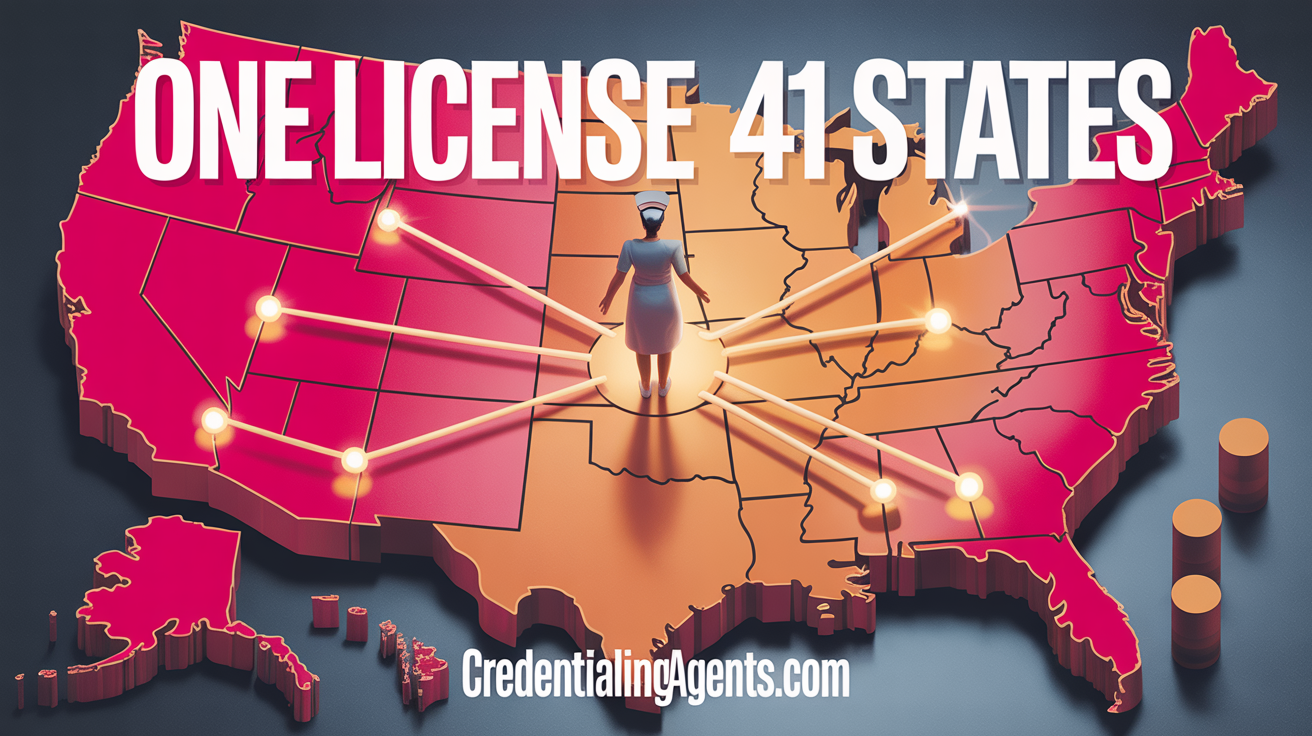
The Hidden Cost of Credentialing Delays: Why Every Day Costs Your Agency $2,847
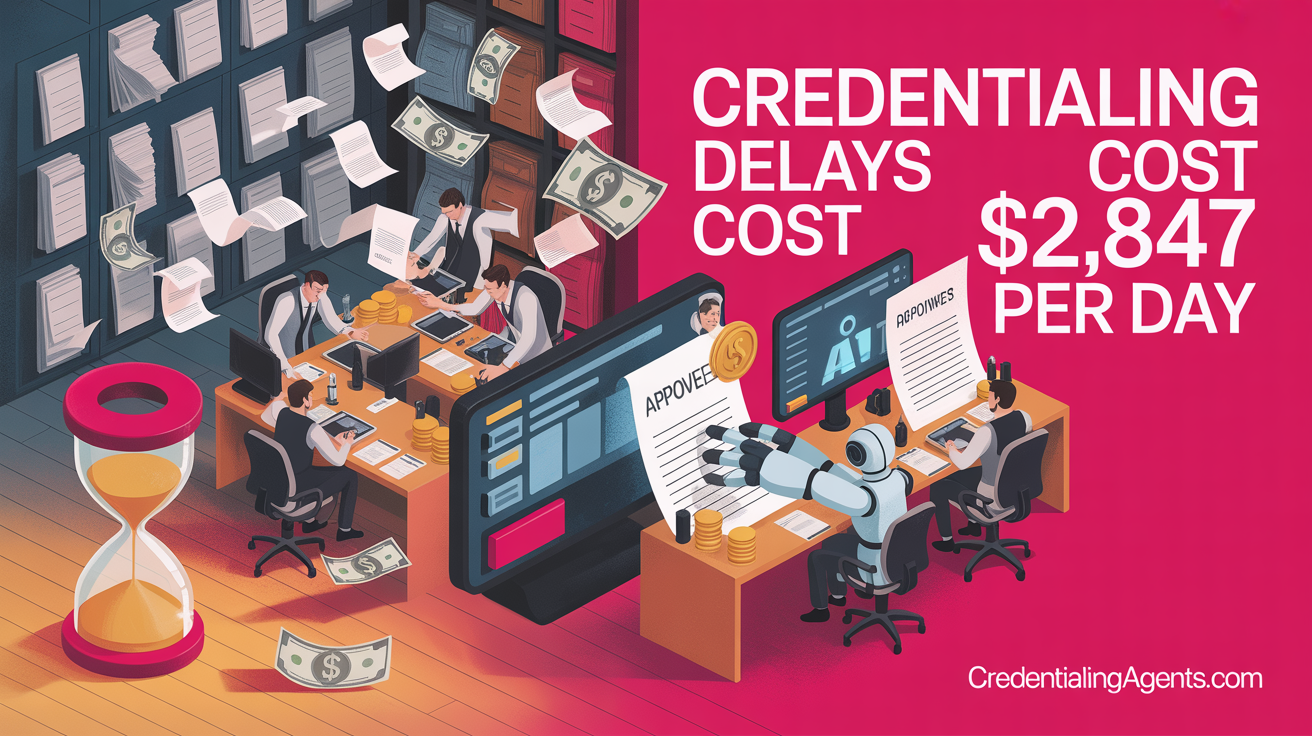
The Hidden Cost of Credentialing Delays: Why Every Day Costs Your Agency $2,847
In healthcare staffing, time is money—literally. Every day a nurse, therapist, or allied health professional sits waiting for credential verification is a day your agency loses revenue, your client loses coverage, and your candidate loses patience.
But have you ever calculated exactly how much those delays cost?
The Math Nobody Wants to Do
Let's break it down:
- Average travel nurse bill rate: $85-$125/hour
- Average shift: 12 hours
- Average credentialing delay: 3-6 weeks
For a single travel nurse delayed by just one week, that's:
$85 × 12 hours × 5 shifts = $5,100 in lost billable revenue
Now multiply that across your roster. If you're placing 50 nurses per month with an average 5-day delay, you're looking at:
$2,847 per day in aggregate lost revenue
That's not a typo. That's reality.
Where the Delays Actually Happen
Credentialing isn't slow because your team is lazy. It's slow because the process is fundamentally broken:
1. Primary Source Verification (PSV)
Manually calling nursing boards, medical schools, and previous employers. Each call averages 15-20 minutes. Some don't answer. Some require faxes (yes, faxes in 2026).
2. License Verification Across States
Compact licenses help, but you still need state-specific verifications for non-compact states. Each state has different portals, different timelines, different requirements.
3. Document Chase
Missing TB tests. Expired BLS cards. Outdated immunization records. Your coordinators spend 40% of their time chasing documents that candidates forgot to upload.
4. Facility-Specific Requirements
Hospital A wants a 10-panel drug screen. Hospital B wants 12-panel. Hospital C wants both plus a physical exam from the last 30 days. The variations are endless.
The Cascade Effect
Delays don't just cost money directly. They create a cascade:
- Candidate frustration: Top talent walks to agencies with faster onboarding
- Client dissatisfaction: Unfilled shifts damage relationships
- Team burnout: Your credentialing specialists drown in manual work
- Compliance risk: Rushed verification means missed red flags
What AI-Powered Credentialing Actually Solves
This isn't about replacing your team. It's about giving them superpowers.
Modern AI credentialing platforms can:
✅ Auto-verify licenses across all 50 states in real-time via direct board integrations
✅ Parse and validate documents using OCR and intelligent document recognition
✅ Flag expiring credentials before they expire—not after
✅ Match facility requirements automatically, ensuring nothing falls through the cracks
✅ Reduce verification time from weeks to hours
The result? That 5-day average delay shrinks to less than 24 hours for most placements.
The ROI Is Undeniable
Let's revisit the math:
- Current cost of delays: $2,847/day
- With AI automation: 80% reduction in delay time
- Annual savings: $600,000+ for mid-size agencies
And that doesn't count the soft benefits: happier candidates, stronger client relationships, and a credentialing team that can finally focus on complex cases instead of routine verifications.
The Bottom Line
Credentialing delays aren't an inevitable cost of doing business. They're a solvable problem.
The agencies that figure this out first will have a massive competitive advantage. The ones that don't will keep hemorrhaging revenue while wondering why their placement rates lag behind.
Ready to stop losing $2,847 per day?
Credentialing Agents uses AI to automate primary source verification, license tracking, and document management—cutting your credentialing time by 80% or more.