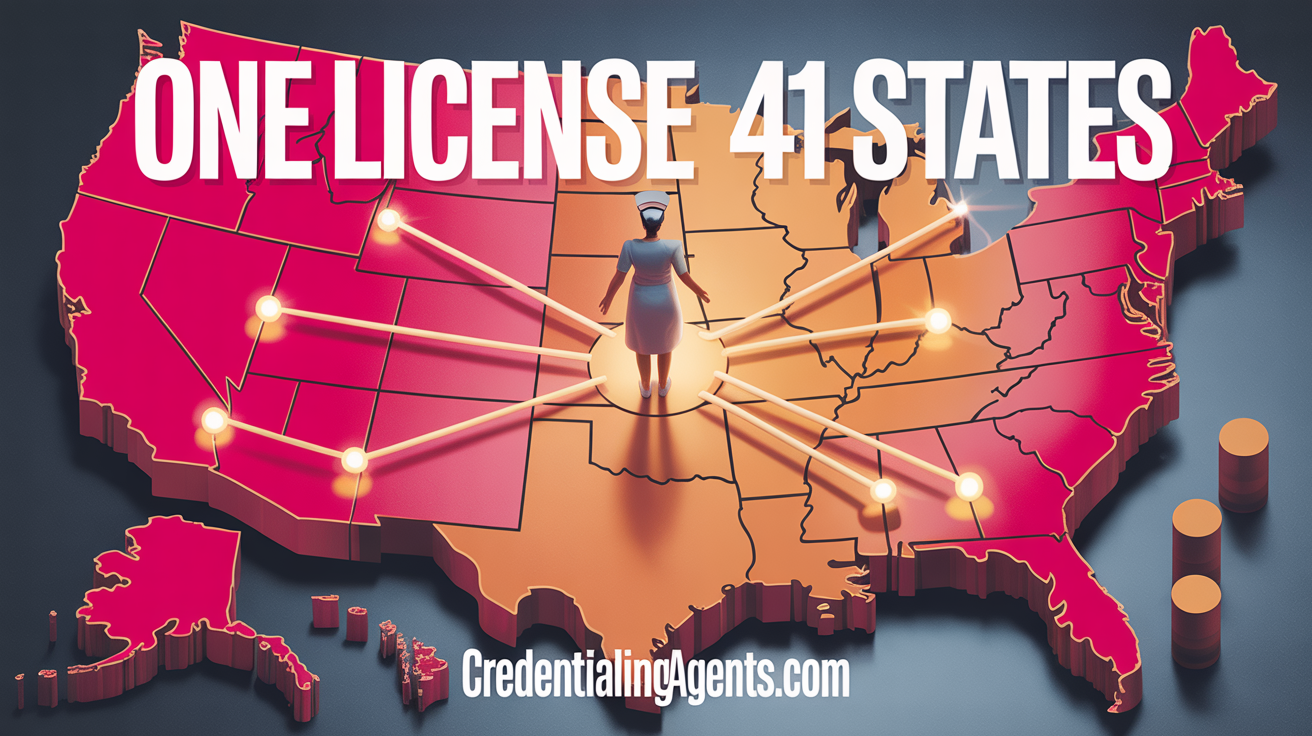
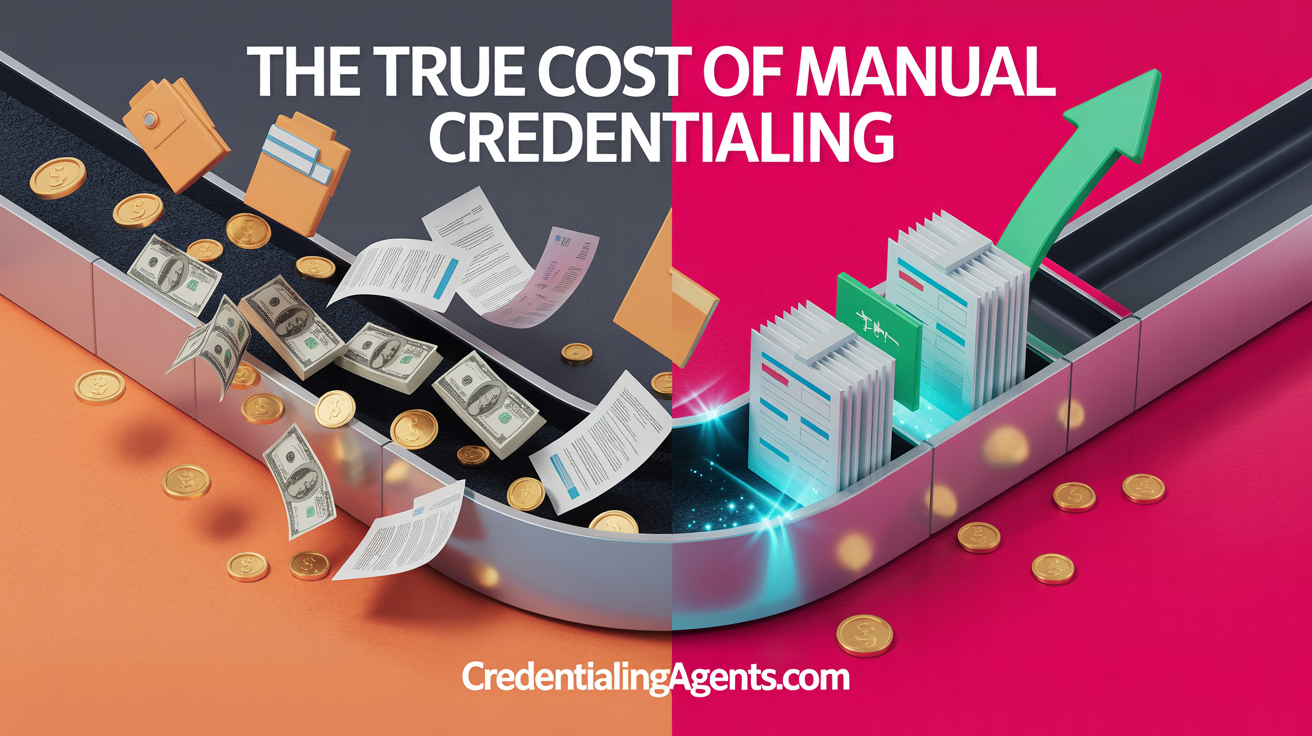
The Hidden Cost of Manual Credentialing: Why Healthcare Staffing Agencies Are Losing $50K+ Per Month
How outdated credentialing processes are bleeding revenue and delaying placements

Every day your credentialing team spends chasing expired licenses, verifying certifications by phone, and manually updating spreadsheets is a day your competitors are placing nurses.
The math is brutal: the average healthcare staffing agency loses $50,000 to $100,000 monthly to credentialing inefficiencies. Not from bad hires. Not from market conditions. From process friction.
The True Cost Nobody Talks About
When we break down where the money actually goes, the picture gets uncomfortable:
1. Time-to-Fill Delays
Manual credential verification adds 7-14 days to every placement. In a market where travel nurse contracts start at $3,000-$5,000 weekly, each week of delay costs real revenue. Multiply that across 50+ active candidates and you are looking at six figures annually—just in placement delays.
2. Compliance Staff Overhead
The average mid-size staffing agency employs 3-5 full-time credentialing specialists at $45,000-$60,000 annually each. That is $180,000-$300,000 per year in labor costs for a process that is 80% repetitive verification tasks.
3. The Hidden Expiration Problem
Credentials expire. Licenses lapse. Certifications need renewal. When your tracking system is a spreadsheet updated manually, things slip through. One missed expiration can mean:
- A nurse pulled mid-assignment
- Facility fines of $10,000+
- Damaged client relationships
- Potential Joint Commission violations
4. Candidate Drop-Off
Here is the number that should keep you up at night: 23% of qualified nursing candidates abandon applications due to slow, frustrating credentialing processes. They simply go to the agency that can get them working faster.
What Modern Credentialing Looks Like
The staffing agencies winning today are not hiring more compliance staff. They are automating the grunt work.
AI-powered credentialing systems can:
- Verify licenses in seconds by connecting directly to state nursing boards
- Auto-track expirations and trigger renewal reminders 90 days out
- Pre-fill applications from existing documents using intelligent extraction
- Flag discrepancies before they become compliance issues
- Reduce time-to-clear from 2 weeks to 48 hours
The ROI calculation is straightforward: if automation saves your team 100 hours monthly and accelerates placements by even one week, you are looking at $200,000+ in annual value.
The Competitive Reality
Healthcare staffing is a $50 billion industry with razor-thin differentiation. Your nurses are the same nurses your competitors recruit. Your facilities are the same facilities everyone serves.
The agencies pulling ahead are doing it through operational excellence—and credentialing is the biggest operational bottleneck most have not solved.
While you are manually verifying a BLS certification for the third time this week, your competitor already placed that nurse.
Making the Shift
The transition from manual to automated credentialing does not have to be painful. The best platforms integrate with your existing ATS and vendor management systems, meaning your team keeps their workflows while the busywork disappears.
Start by auditing your current process:
- How many hours weekly does your team spend on verification calls?
- What is your average time-to-clear for a new candidate?
- How many expirations slipped past you last quarter?
Those numbers tell the story. And they make the case for change obvious.
Ready to see what AI-powered credentialing can do for your agency?
Credentialing Agents automates the entire credentialing workflow—from initial verification to ongoing compliance monitoring—so your team can focus on what matters: placing nurses and growing your business.